
A dedication
Before every name, there was his.
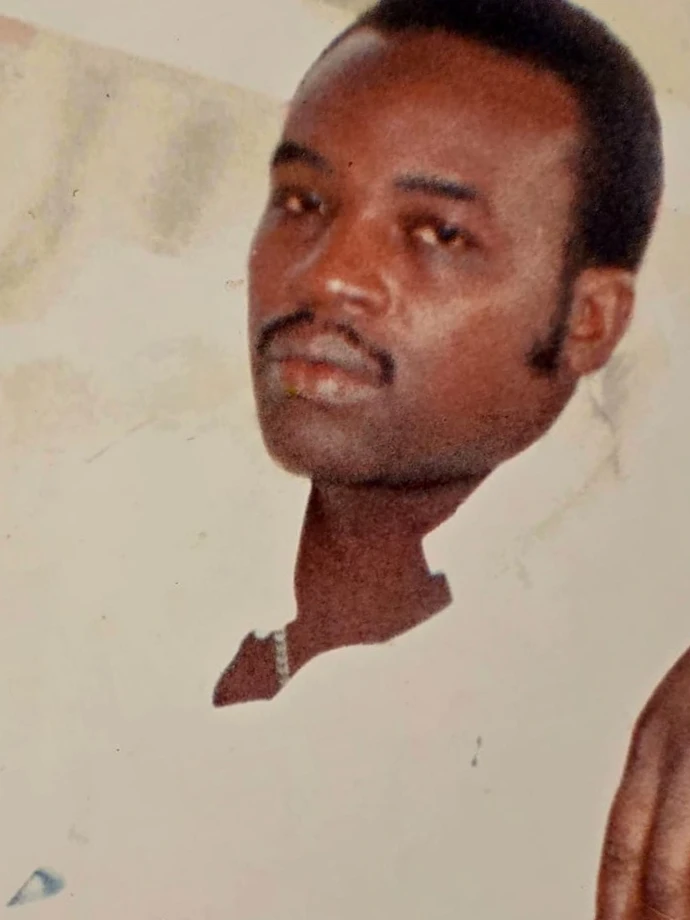
Manuel da Paz Francisco “Pegado”, father of our founder, is the man whose name this brand carries. His example inspired Pegado Motors from its very first idea, and Lombe, his mother's homeland, lends its name to one of our models. Every road we open is our tribute to him.
Manuel da Paz Francisco “Pegado”
24.05.1974 — 02.11.2001
Father of the founder · The name behind Pegado Motors
Where the names come from
Tap a number on the map to discover the place.
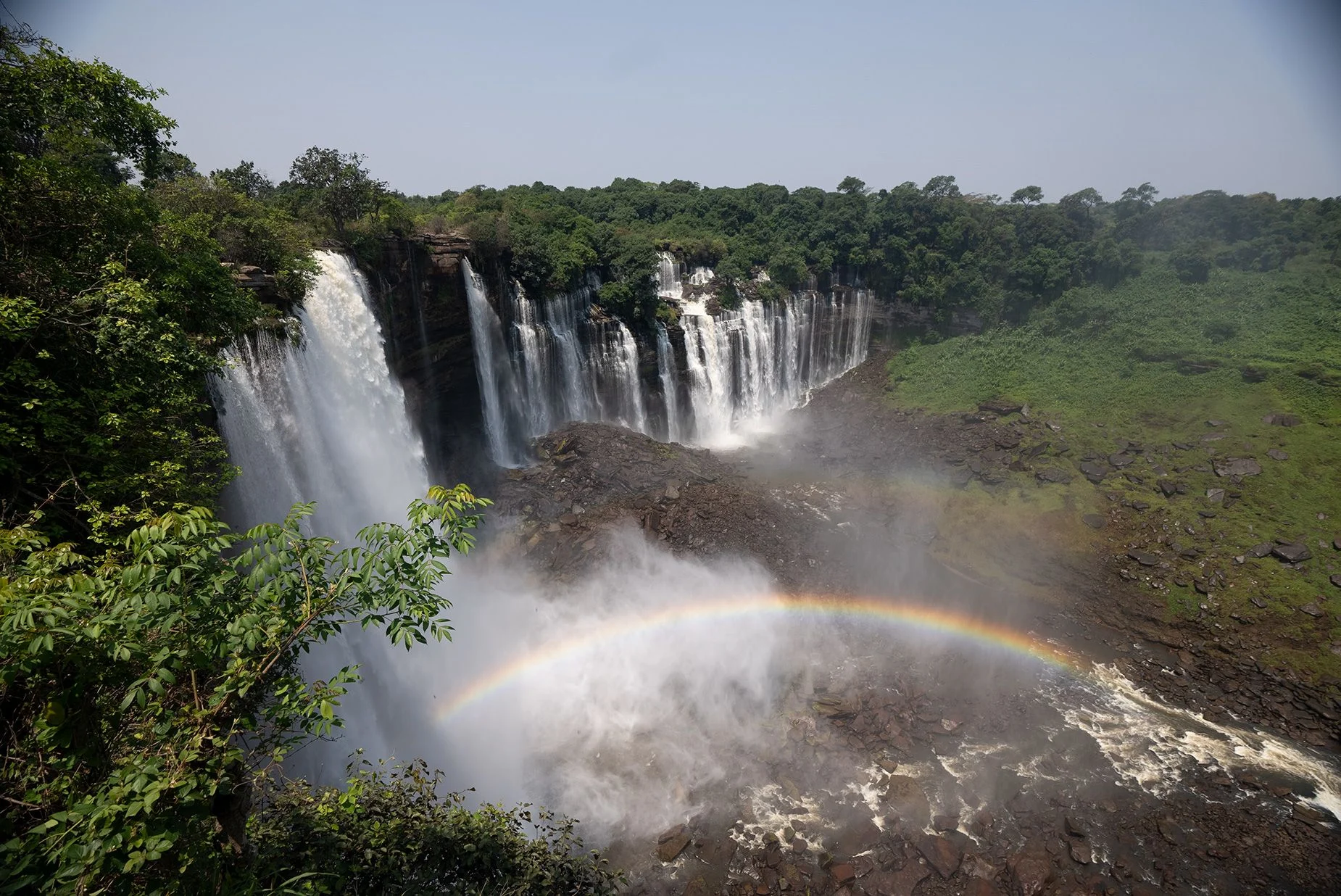
Kalandula Falls, Malanje
On the Lucala River in Malanje province, the Kalandula Falls drop around 105 metres along a curtain of water roughly 400 metres wide, making them one of the largest waterfalls in Africa by volume. Raw power, endless rhythm and rainbows in the mist: the spirit behind the Pegado Kalandula.
Discover the Kalandula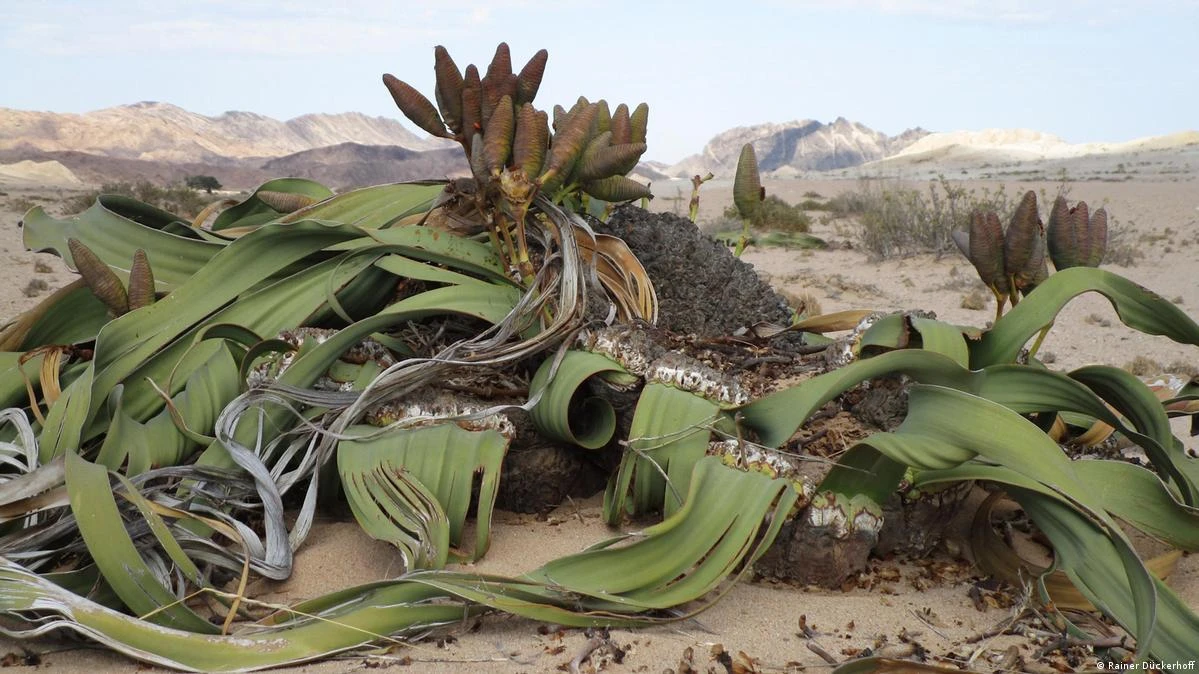
Welwitschia mirabilis, Namibe Desert
Found only in the Namib Desert of southern Angola and Namibia, the Welwitschia lives on coastal fog and grows just two leaves in its entire life. Some plants are believed to be well over a thousand years old. A national symbol of endurance that appears on Angola's coat of arms, it gives its name to the Pegado Welwitschia.
Discover the Welwitschia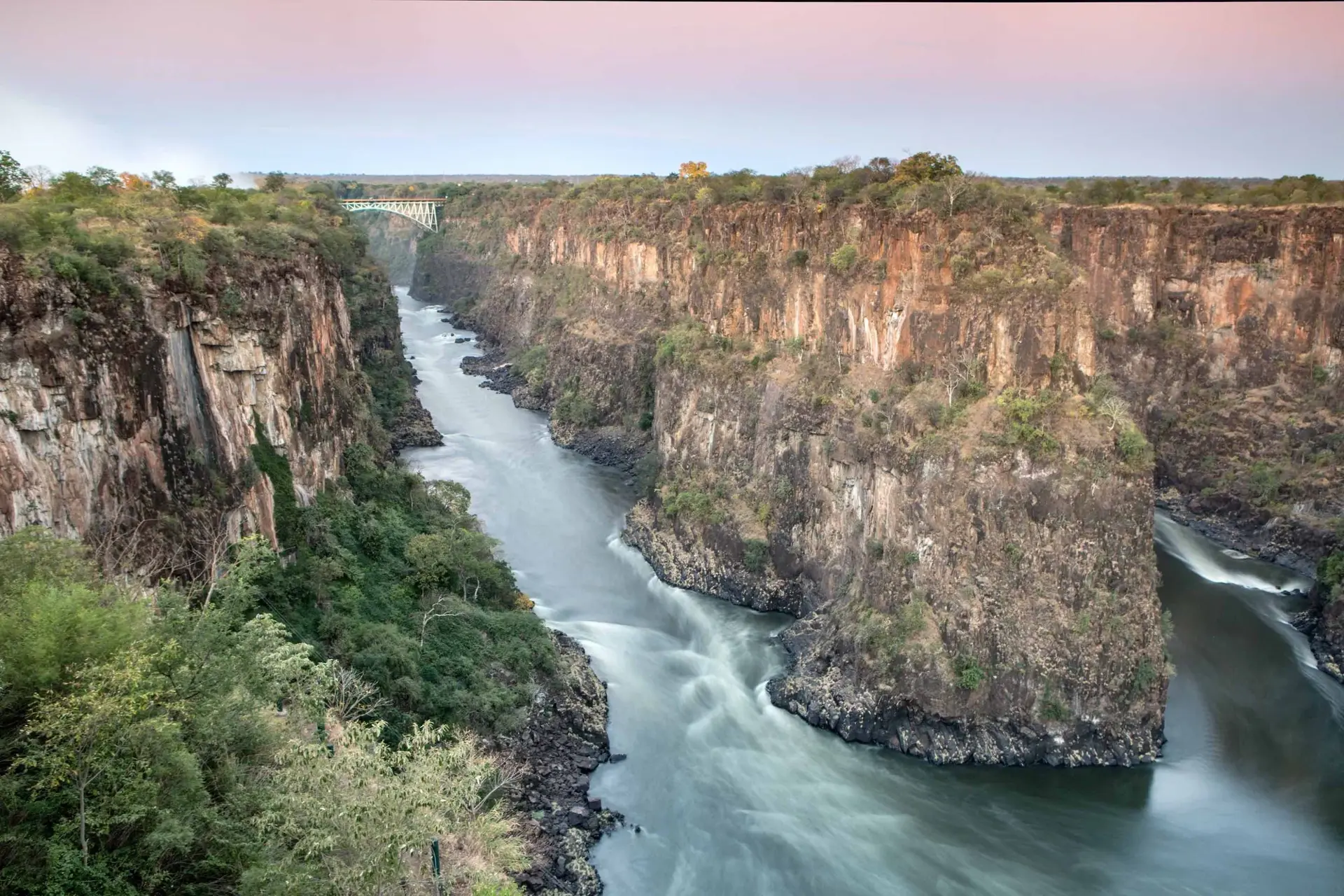
Zambeze River
Running about 2,570 km, the Zambeze is Africa's fourth-longest river and the longest flowing into the Indian Ocean. Born in north-western Zambia, it crosses eastern Angola before thundering over Victoria Falls and reaching the sea in Mozambique. Strength, distance and a continent connected: the soul of the Pegado Zambeze.
Discover the Zambeze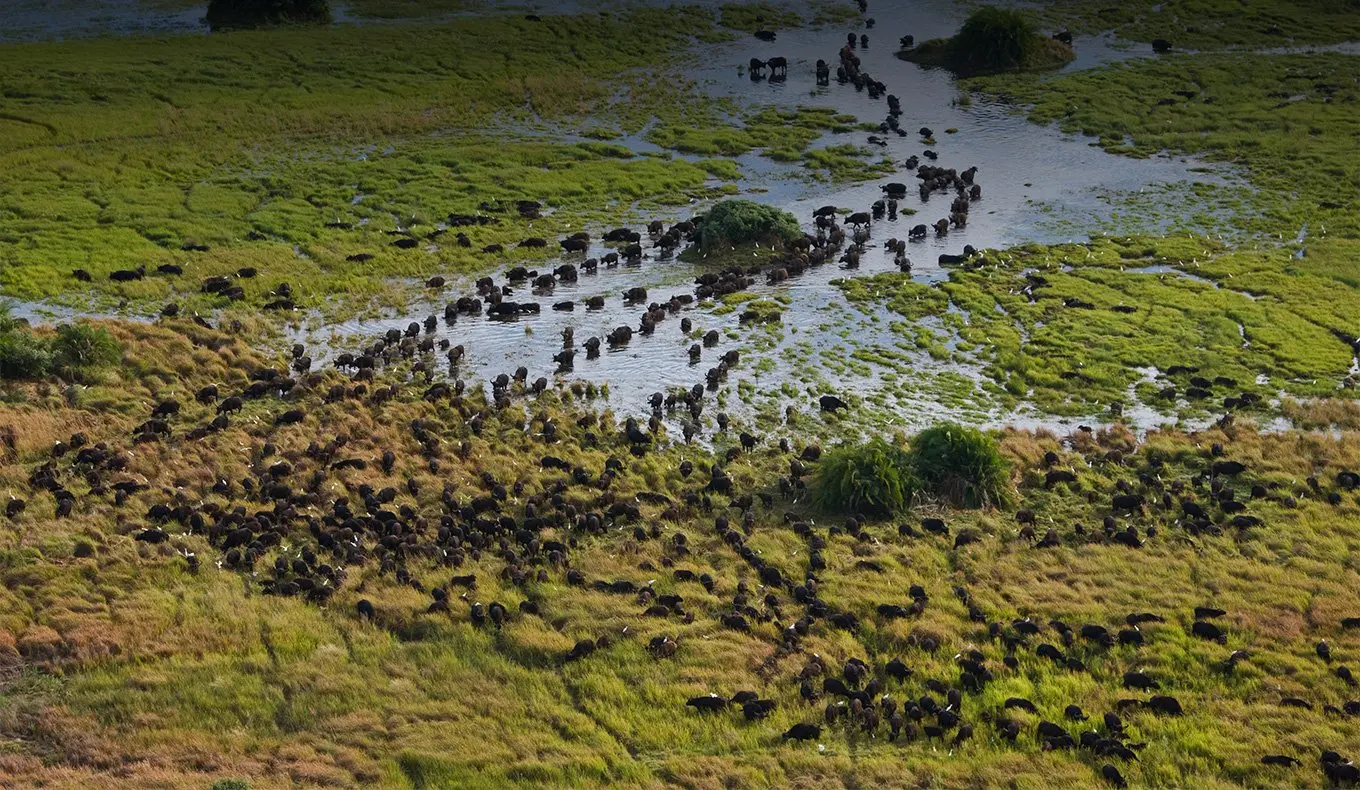
Okavango (Cubango) River
The Okavango is born in the highlands of central Angola, where it is called the Cubango. It flows south for hundreds of kilometres through Angolan land, across the province of Cuando Cubango, and then forms part of the border with Namibia before entering Botswana. Angola provides most of its water. In Botswana it spreads into the Okavango Delta, one of the largest inland deltas on Earth and a UNESCO World Heritage Site, a sanctuary for elephants, buffalo, lions and hundreds of bird species. Life, abundance and a source that begins in Angola: the spirit of the Pegado Okavango.
Discover the Okavango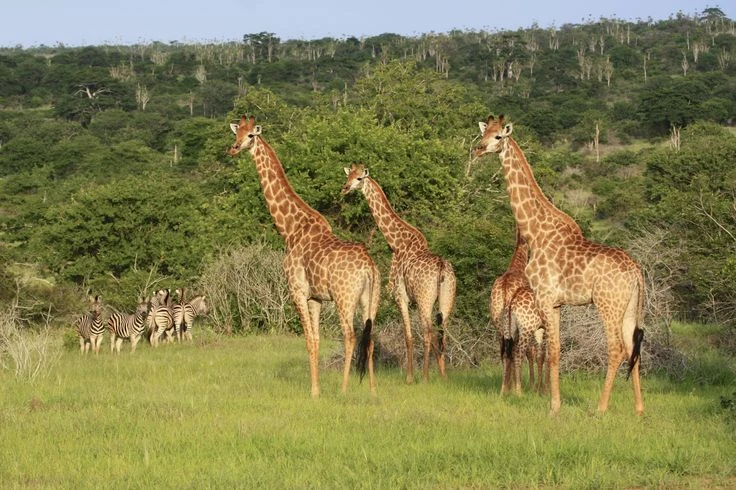
Kissama National Park, Luanda
Just 70 km south of Luanda, Kissama (Quiçama) National Park stretches for almost 10,000 km² between the Kwanza River and the Atlantic coast, with savannah, baobab-dotted hills and mangroves. In the early 2000s the "Operation Noah's Ark" brought elephants, giraffes, zebras and other wildlife back to its plains, making it a symbol of Angola's renewal and one of the country's best-loved destinations for nature and tourism. Rebirth, freedom and adventure close to the capital: the spirit of the Pegado Kissama.
Discover the Kissama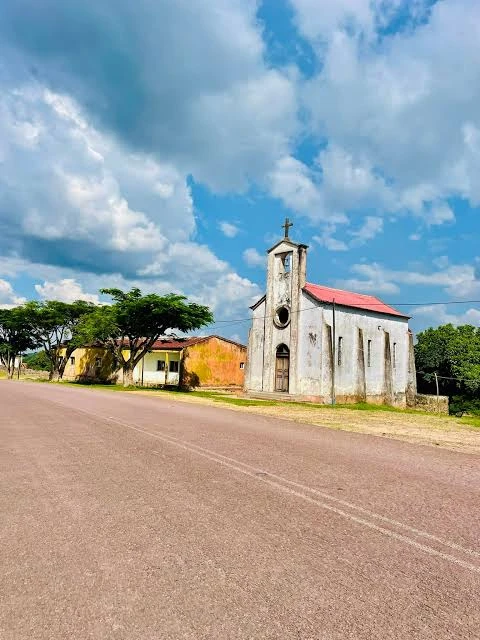
Macocola, Milunga – Uíge
In the green hills of Uíge, in Angola's north, the village of Macocola lies in the municipality of Milunga. Beside its quiet main road stands a small colonial-era chapel, white walls and a red roof weathered by decades of rain and sun, a witness to generations of local history and faith. Roots, memory and the strength of rural Angola: the spirit of the Pegado Macocola.
Discover the Macocola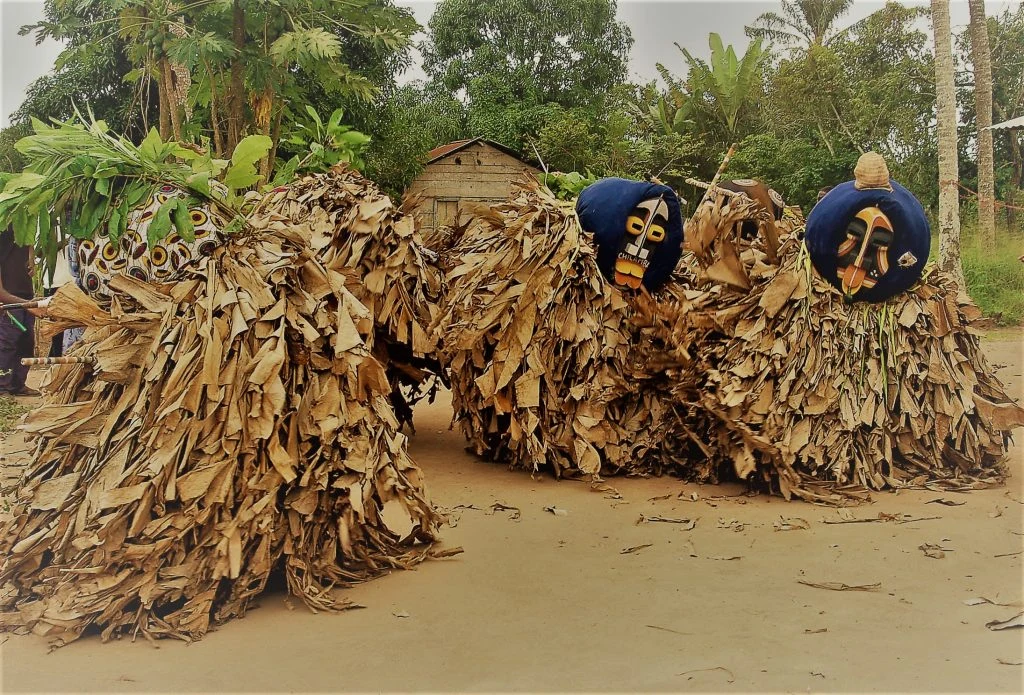
The Bakama of Cabinda
The Bakama are a traditional society of Cabinda, linked to the Bawoyo people and seen as guardians of ancestral law. Recognisable by painted masks, costumes of dried banana leaves and palm-frond brooms, they appear at the enthronement of chiefs, purification rites and the funerals of nobles, with their main sanctuary in the village of Tchizo. Authority, protection and respect for tradition: the spirit of the Pegado Bakama.
Discover the Bakama
Samanhonga, the Cokwe Thinker
Samanhonga, also known as O Pensador (The Thinker), is a Cokwe wooden figure of an elder with hands resting on the head, a symbol of wisdom, experience and ancestral knowledge. The original piece was found in 1936 in the Lunda region and kept at the Dundo Museum. In 1984 it was proclaimed the symbol of Angolan national culture, and it appears in the watermark of the kwanza banknotes. Thought, heritage and quiet confidence: the spirit of the Pegado Samanhonga.
Discover the Samanhonga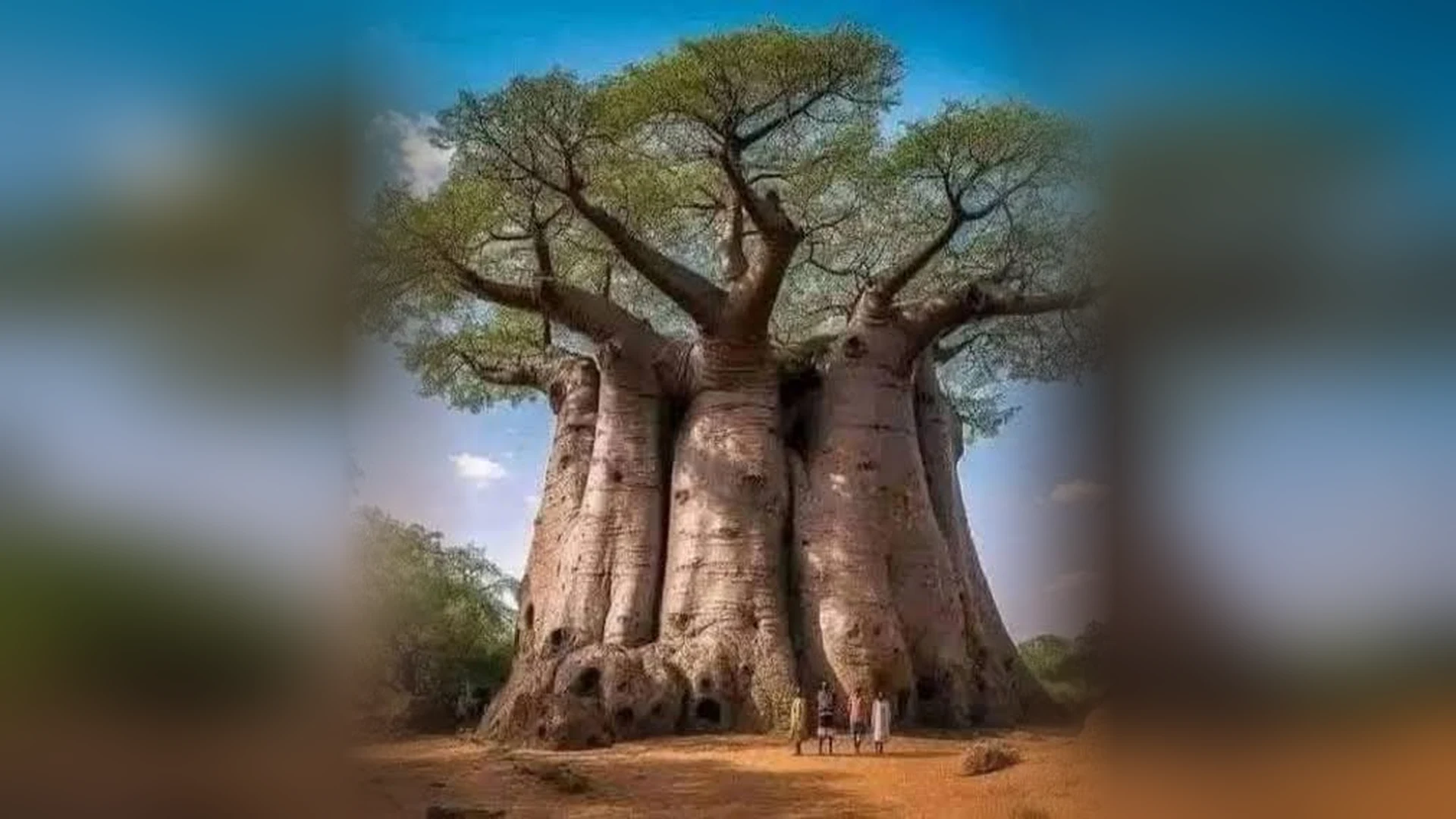
Ombadja, Cunene
In Cunene province, the Ombadja kingdoms of the Ovambadja people are remembered for their resistance to colonial occupation. On 25 September 1904, at the Battle of Vau do Pembe, Ovambadja warriors defeated a Portuguese column, a victory still commemorated every year at the historical monument near the municipal seat of Ombadja. Courage, dignity and quiet authority: the spirit of the Pegado Ombadja.
Discover the Ombadja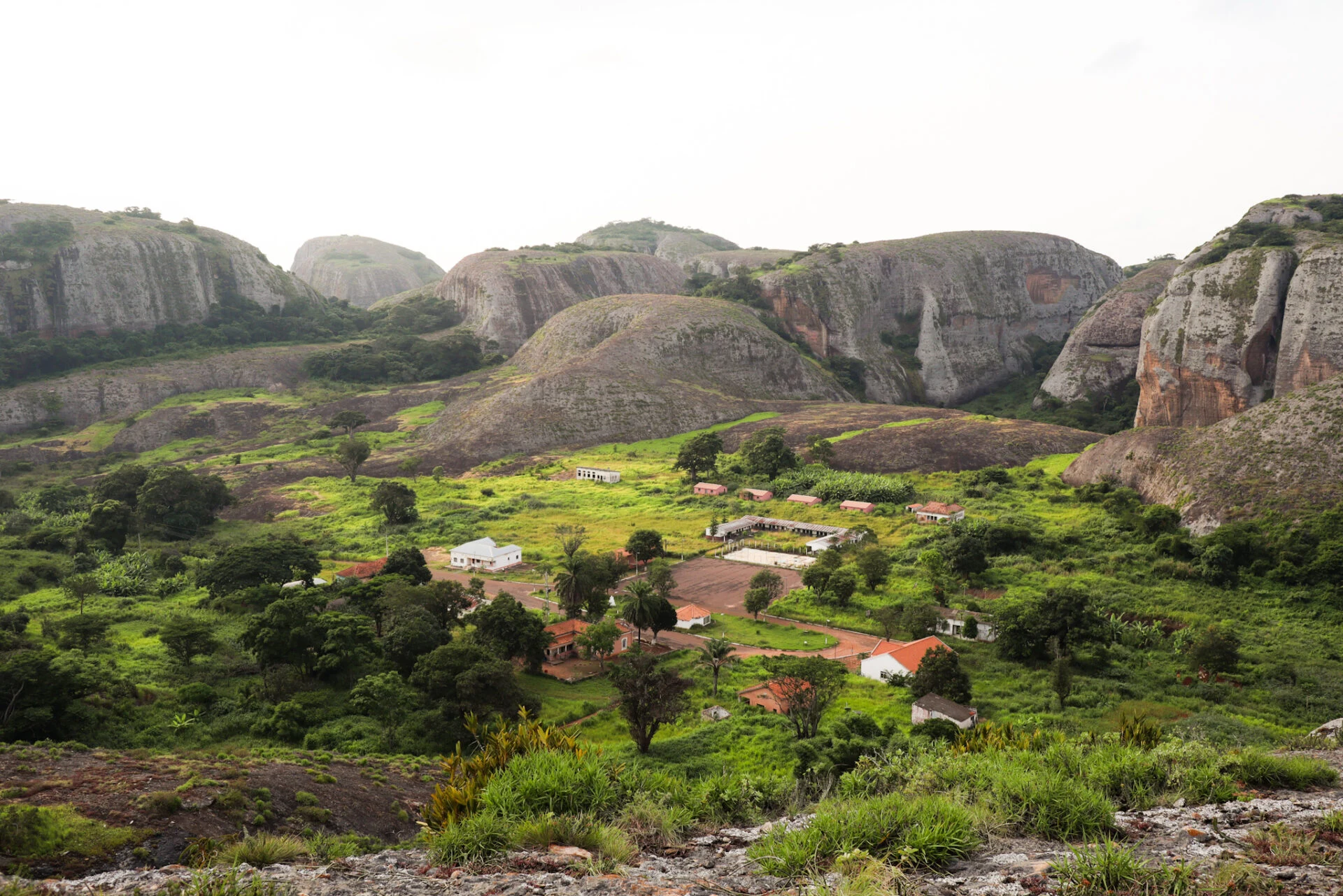
Lombe, Cacuso – Malanje
Lombe is a commune of Cacuso, in Malanje province: a municipality of 6,859 km² and around 101,000 people that also takes in Cacuso, Quizenga and Pungo-Andongo. Here rose Angola's first sugar, ethanol and electricity plant, built with Brazilian technology, alongside a vocational school training young people for industry and a martial arts school named Palanca Negra, after the Giant Sable Antelope found only in Angola. Along the road that cuts the town in two, Angolan families live side by side with Brazilians, Chinese, Arabs, Portuguese, Indians, Filipinos and Cubans. Lombe is also the home commune of the mother of Mr. Manuel da Paz Francisco "Pegado". Roots, work and a future built at home: the spirit of the Pegado Lombe.
Discover the Lombe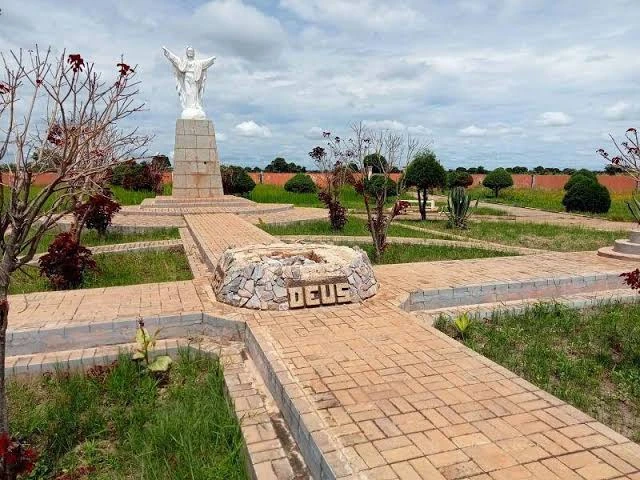
Camacupa, the Heart of Angola
Camacupa (Kamakupa) is a municipality of Bié province: 9,469 km² and around 289,000 people on Angola's central plateau. Its name comes from the Umbundu "Ohama ya Kupa", the bed of bales: in the days of the slave caravans, traders rested here and slept on top of their bundles of goods to keep them safe from thieves. In 1923 the colonial administration renamed it Vila General Machado, after General José Joaquim Machado, and only in 1975 did it take back its original name. Near the airfield lies the Geodesic Centre of Angola, the heart of the country, marked by a statue of Christ the King whose arms were lost during the years of armed conflict. Today its plateau soils hold enormous potential for rice, cereals, vegetables and tubers. A name reclaimed at the very centre of the nation: the spirit of the Pegado Camacupa, a family car with room for everyone.
Discover the Camacupa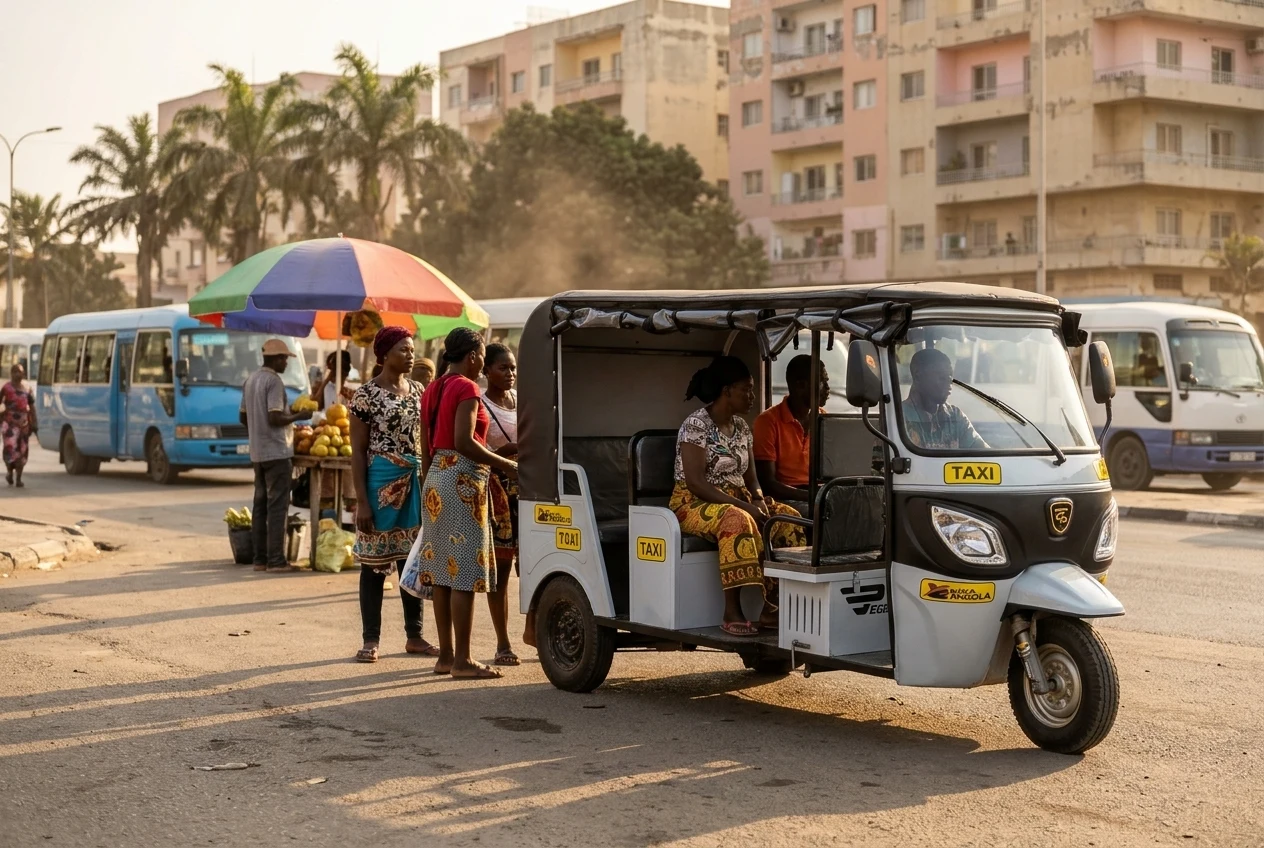
Baza Baza, the call to go
In Angola, "baza" is street slang for "let's go". Said twice, "Baza, baza!", it is the call that gathers people and gets them moving: friends heading out together, a taxi conductor rounding up passengers, a whole city always on its way somewhere. From that everyday invitation came the name of the Pegado Baza Baza. Designed and assembled in Angola, it turns the call to move into real mobility and opportunity for local drivers and entrepreneurs. Come on, let's go: the spirit of the Pegado Baza Baza.
Discover the Baza BazaOur Origins
Explore Models